Your Guide to Finding the Perfect Running Shoes
Selecting the right running shoes significantly impacts performance, comfort, and injury prevention. Whether you're training for a marathon or enjoying neighborhood jogs, understanding key features helps unlock your best run.
Why Fit Matters Most
Proper fit is non-negotiable. Feet swell during runs, so shop late afternoon and ensure a thumb's width between toes and shoe front. Width matters too—pinched sides cause blisters while loose fits reduce stability. Visit specialty stores for gait analysis; pronators need structured support, neutral runners benefit from balanced cushioning.
Cushioning & Surface Compatibility
Thicker midsoles absorb pavement impact for road running, while trail variants feature aggressive treads and rock plates for uneven terrain. Minimalist shoes encourage natural foot movement for experienced runners, whereas maximum cushioning suits long distances. Remember to replace running shoes every 300-500 miles as midsole compression reduces shock absorption.
Lifestyle Integration
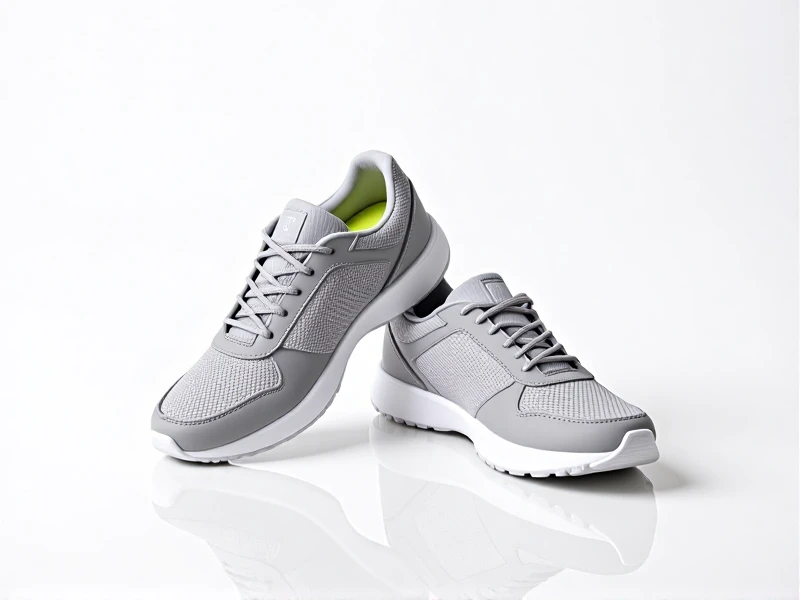
Modern running shoes blend performance with style. Brands offer reflective elements for night safety and sustainability-focused lines using recycled materials. Versatile designs transition smoothly from tracks to casual wear, with lightweight mesh uppers enhancing breathability during intense sessions.
Regular runners report fewer joint issues after switching to properly fitted options. Test pairs on short runs before committing—discomfort at mile one worsens at mile ten. Your perfect pair awaits: prioritize fit, weigh your running needs, and embrace the rhythm of the road.