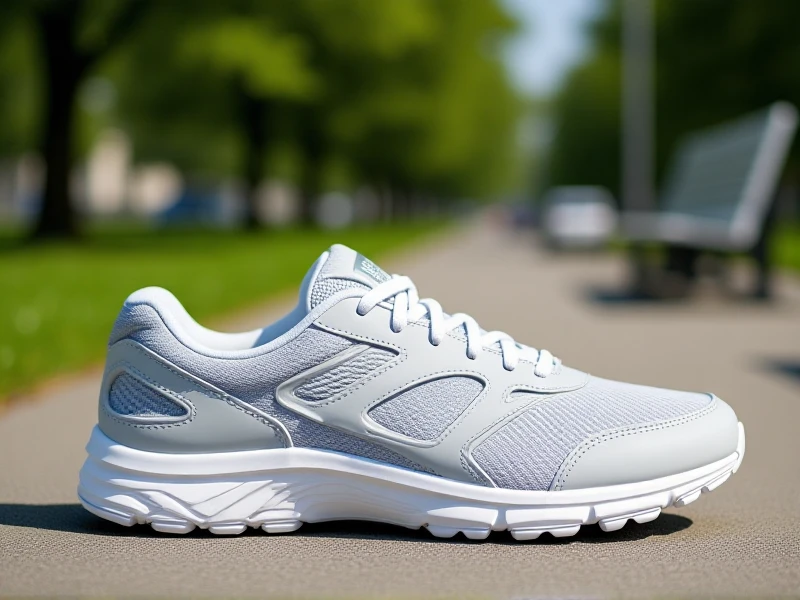
Running Shoes: Your Key to a Better Run
Choosing the right running shoes can make a huge difference in your jogging routine, whether you're a beginner or a seasoned marathoner. Running shoes are designed to provide support, cushioning, and stability, reducing the risk of injuries like shin splints or knee pain. In this guide, we'll explore how to find the perfect pair and why investing in quality running shoes is essential for your fitness journey.
First, let's break down the main types of running shoes. Stability shoes are ideal if you have flat feet or overpronation, offering extra arch support to prevent excessive inward rolling. Neutral shoes provide cushioning for runners with normal arches, ensuring a smooth stride. Minimalist options focus on lightweight design for natural movement, perfect for those seeking a barefoot feel. When selecting your running shoes, consider factors like your foot type, running terrain, and mileage—most experts recommend replacing them every 300-500 miles to maintain peak performance. Look for features such as breathable uppers and responsive midsoles from top brands like Brooks or New Balance, but always prioritize comfort over trends.
Proper running shoes not only enhance comfort but can also boost your speed and endurance. Studies show that well-fitted footwear reduces impact on joints by up to 20%, helping you avoid common issues like plantar fasciitis. For optimal results, try on shoes in the afternoon when your feet are slightly swollen, and test them with a short run. Remember to rotate pairs to extend their lifespan and wash them gently to prevent wear. By choosing wisely, you'll transform every run into a joyful, injury-free experience. So, lace up and start achieving your goals today!