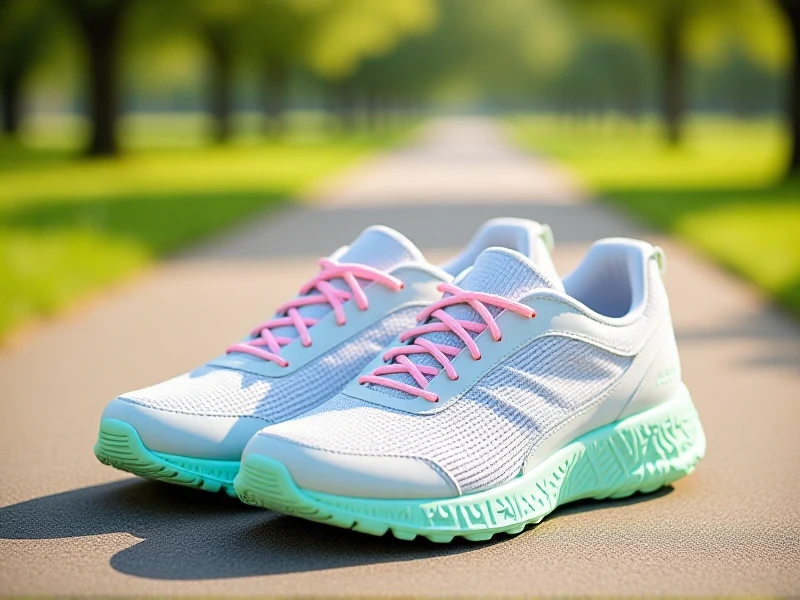
Find Your Perfect Fit: The Ultimate Guide to Running Shoes
Selecting the right running shoes can transform your runs from painful to exhilarating. Whether you're training for a marathon or enjoying casual jogs, proper footwear impacts performance, comfort, and injury prevention. This guide breaks down essential factors to help you make an informed choice.
First, analyze your foot type and gait. Overpronators (feet rolling inward) benefit from stability or motion-control shoes with reinforced arch support. Neutral runners can opt for cushioned models offering balanced shock absorption, while supinators (outward roll) need flexible, high-cushion options. Visit specialty running stores for gait analysis – many offer free assessments.
Next, consider terrain and distance. Road-running shoes prioritize lightweight cushioning for pavement, whereas trail versions feature aggressive treads and ankle protection for uneven paths. Marathon trainers emphasize endurance support, while racing flats sacrifice cushioning for speed in shorter events. For daily training, versatile neutral-cushioned shoes adapt to most needs.
Key technological elements matter too. Modern midsoles use responsive foam like EVA or PEBAX to balance energy return and impact protection. Breathable mesh uppers prevent overheating, and strategic rubber placements boost outsole durability. Brands like Nike, Brooks, and ASICS frequently introduce innovations – try multiple pairs to feel differences in toe-box width and heel lockdown.
Remember to replace shoes every 300-500 miles. Worn-out cushioning loses shock absorption, increasing injury risks. Pair your new shoes with moisture-wicking socks and break them in gradually with short runs. Prioritizing fit over trends ensures every stride supports your goals. Lace up smarter, run stronger, and let your feet power your journey!